Home · Catalogue · Philosophy & Classics · S.I.9424

Philosophy of the Human Mind
Brown, Thoma · Edinburgh
Guaranteed authentic and as described · 7-day returns · free shipping within the continental US · international shipping quoted on enquiry · ships in 1–3 business days · our terms. Available until paid for.
Rated 5.0 by buyers on Etsy and Google.
VisaMastercardDiscoverApple PayPayPalCheck / wire
Condition
- Author
- Brown, Thoma
- Place
- Edinburgh
- Publisher
- Adam & Charles Black
- Language
- English
- Binding
- Tall 8vo., full contemporary brown cloth, 548; viii, 562; viii, (564); viii, 532pp. With a frontispiece in volume one. Frontispiece a bit stained, some minor foxing, sines slightly faded but in fact a near fine copy in an attractive binding. This is Brown's major work and it was first published posthumously in Edinburgh in 1820. Brown is perhaps the most important of the Scottish school in that he used the principle of association to distinguish between perception and sensation, a position that distanced him from fellow Scottish philosopher, Dugald Stewart. In this work, Brown first describes the secondary laws of association and he initiated the trend towards psychological analysis of movement. Brown's associationist views were later taken up by both James Mill and Titchener.
- Volumes
- 4
- Condition
- Good
- Category
- Philosophy & Classics
- Record
- S.I.9424
Philosophy of the Human Mind. Brown, Thoma. Edinburgh: Adam & Charles Black. 4 volumes. Tall 8vo., full contemporary brown cloth, 548; viii, 562; viii, (564); viii, 532pp. With a frontispiece in volume one. Frontispiece a bit stained, some minor foxing, sines slightly faded but in fact a near fine copy in an attractive binding. This is Brown's major work and it was first published posthumously in Edinburgh in 1820. Brown is perhaps the most important of the Scottish school in that he used the principle of association to distinguish between perception and sensation, a position that distanced him from fellow Scottish philosopher, Dugald Stewart. In this work, Brown first describes the secondary laws of association and he initiated the trend towards psychological analysis of movement. Brown's associationist views were later taken up by both James Mill and Titchener. Condition: Good.
Enquire about this book
More in Philosophy & Classics
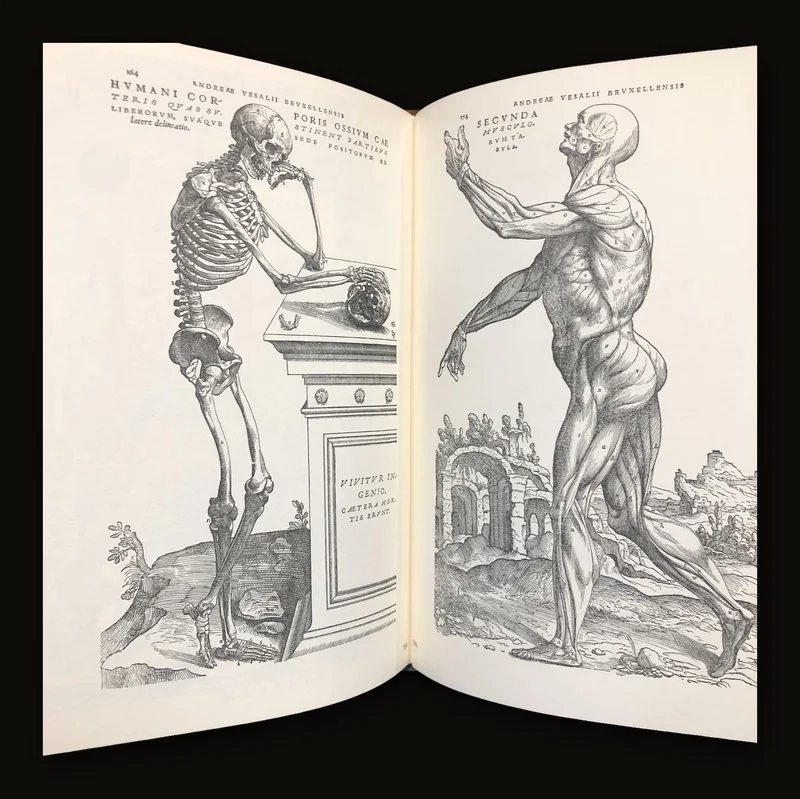 One Hundred Books Famous in Science Based on an Exhibition Held at The Grolier Club (no dj, ex-lib ) Limited Edition of…Horblit, Harrison D · 1964$225
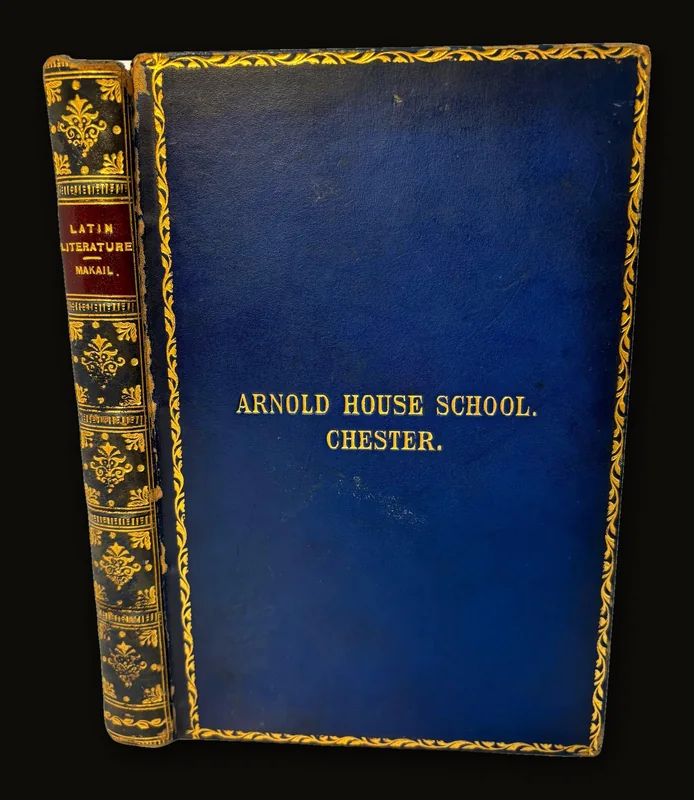 Latin Literature. Second Edition, RevisedMackail, J.W · 1896$125
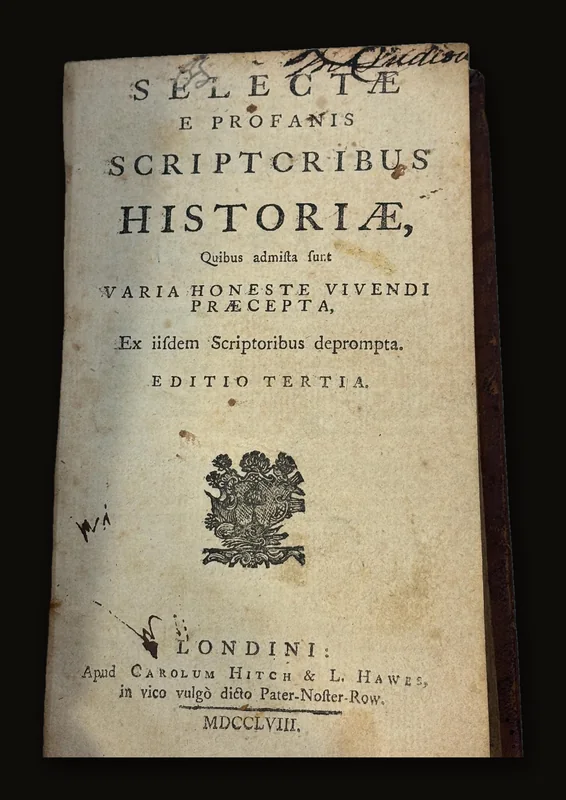 Selectæ E Profanis Scriptoribus Historiæ, Quibus admista sunt Varia Honeste Vivendi Præcepta, Ex iisdem Scriptoribus…1758$145
 The Eclogues & The GeorgicsVirgil · 1981$65